
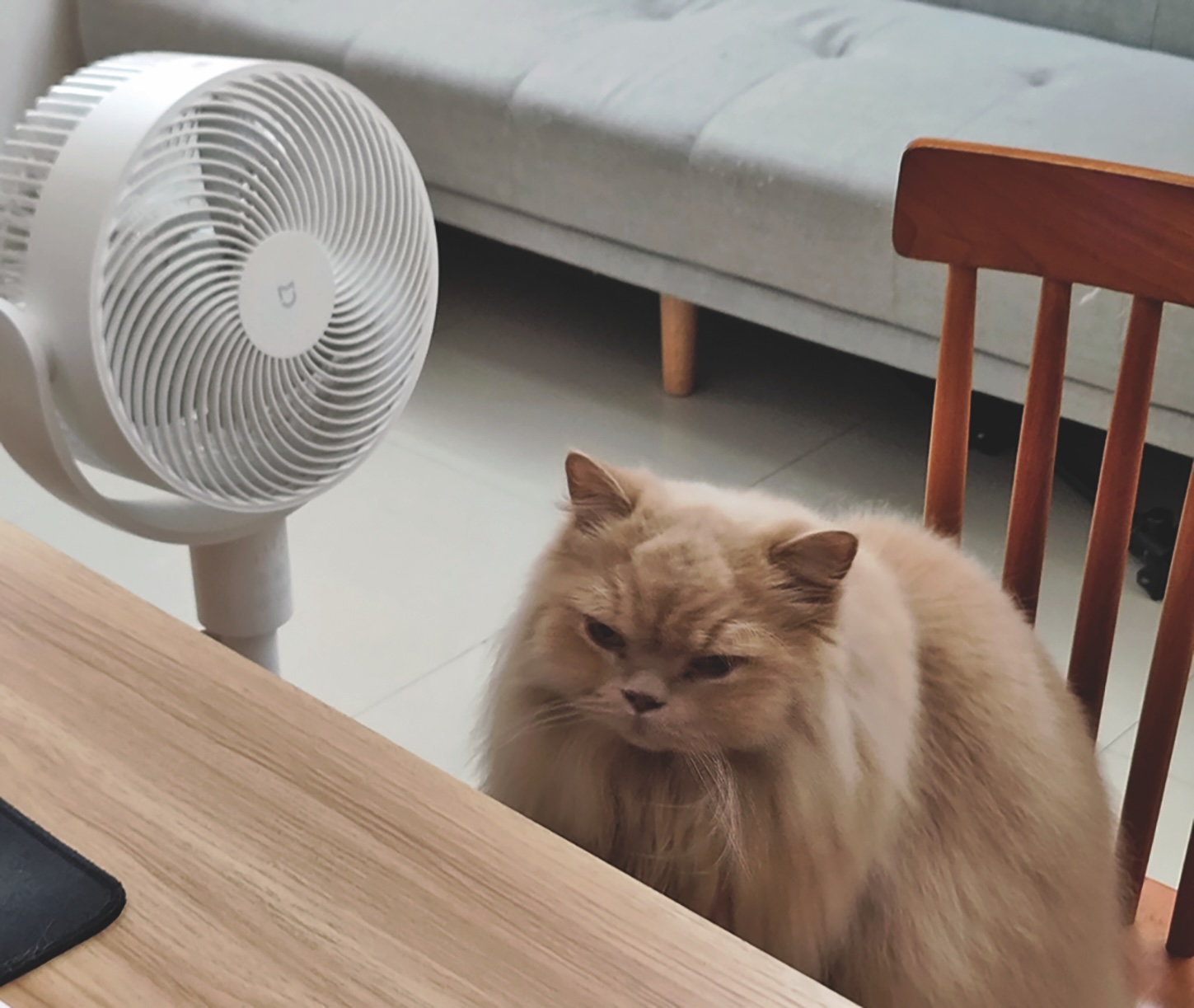
Cats are not well equipped to handle high temperatures. Fortunately, many cats live in homes with air conditioning and don’t have to contend with the blazing sun and high humidity. But what if your cat is an outdoor cat—or if the A/C gives out? This can be a problem for your cat.
Humans cool themselves rapidly and efficiently through total body sweating, but cats can’t sweat like we do. Cats only have sweat glands in their paw pads and nose pad, and they’re largely inefficient. Cats will groom excessively when they are hot, as evaporation of the saliva draws heat from the body. They seek out cool surfaces to lie on to help draw heat from the body. And they will pant, like a dog. Unfortunately, by the time they start panting as a last resort to get cooler, they are often at the stage that they need your help to avoid a crisis.
Signs of Heat Stress
- Rapid breathing
- Difficulty breathing
- Open-mouth breathing
- Diarrhea
- Drooling
- Confusion
- Dilated pupils
- Seizures
- Collapse
- Vomiting
- Fecal incontinence
- Death
What You Should Do
The first thing you should do if you suspect your cat is suffering from heat stress is to move them to a cool space and start the cooling process. The best cooling mechanism for cats is evaporative cooling. To facilitate this, spray or mist your cat’s body with cool (NOT COLD) or room temperature water and put a fan on him. Then call your veterinarian and let them know you are on your way and why. Even if your cat appears to recover after your cooling efforts, it is prudent to have him checked by a veterinarian to assure that all is well.
Be sure your vehicle is cooled, preferably by air conditioning, or at least with windows open for a breeze (with your cat safely in a carrier). Once you arrive, your veterinarian will continue the cooling process and start life-saving measures like intravenous fluids and oxygen therapy if needed. Your cat may need to stay in the hospital for a day or two, depending on the severity of your cat’s condition and how well he responds to treatment. Close monitoring is important after a heat stress event.
Prevention
It’s important to be aware of the ways your cat may be at risk for heat stress and to do all you can to prevent it. Consider keeping outdoor cats inside with A/C on those horrible hot days. Pull shades if your indoor cat has window seats in direct sunlight. Always provide plenty of fresh water (put some ice cubes in it, which she may also play with).
Some cats will use a cooling mat, and all outdoor cats should have access to a safe shady spot.


