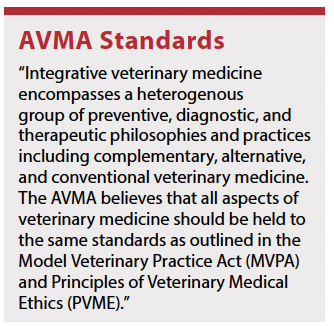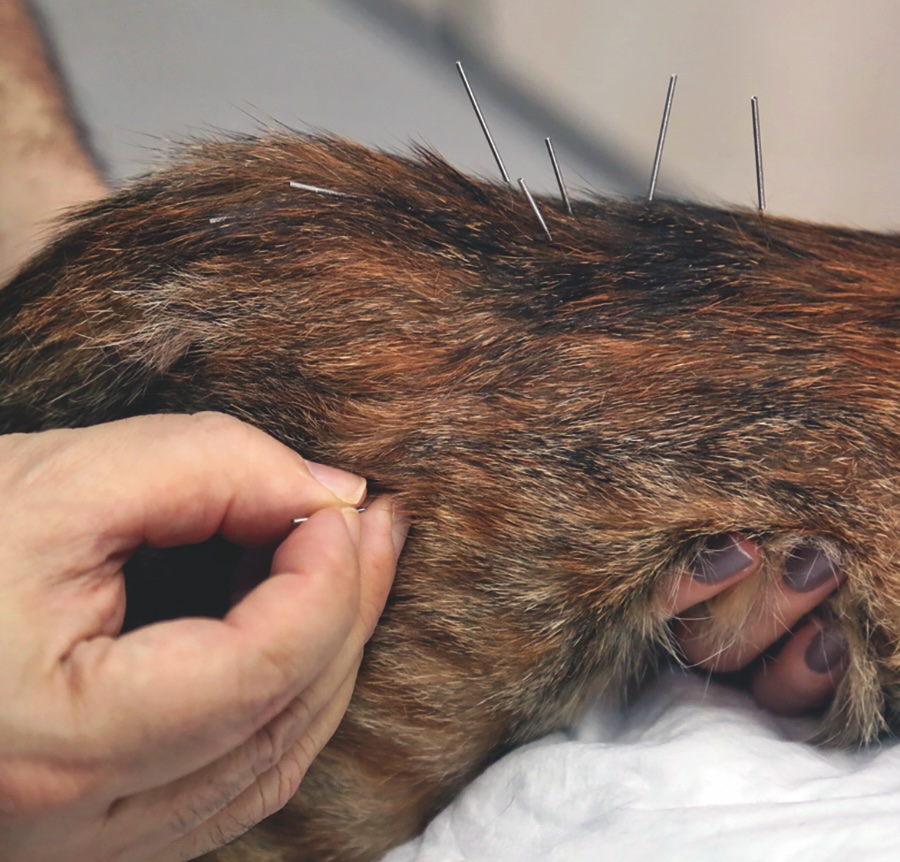
The American Veterinary Medical Association (AVMA) supports the use of integrative veterinary medicine (IVM), which encompasses more than the traditional veterinary medicine we are all familiar with. IVM also includes acupuncture, chiropractic, massage, herbal therapy, physical rehabilitation, nutrition, and even hyperbaric oxygen therapy.
IVM is a combination of Western and Eastern medicine that looks at the entire cat to determine the best approach for each individual feline case.
How Does IVM Work?
IVM is a merger, really. It’s holistic, alternative, and Eastern and Western medicine combined into one integrated package. Importantly, the AVMA emphasizes that these therapies must have science-backed evidence behind them and that they must be administered by certified professionals.
Traditional Western medicine includes well-known disciplines like surgery and the use of antibiotics. Its tenets dictate, for example, that treatment of a broken leg may require surgery, casting or splinting, and that bacterial infections should be treated with antibiotics.
Eastern medicine looks at healing from a different perspective. For example, acupuncture relies on helping your cat’s body to heal itself through stimulation of self-healing pathways. Many herbal preparations rely on knowledge passed down from healers over many generations.
How does a veterinary practice combine Eastern and Western medicine to best care for your cat? Consider a cat that has been hit by a car. The cat is rushed to the veterinary hospital where it is determined she has a ruptured spleen. Surgery to remove the damaged spleen falls under the general category of Western medicine. However, in recovery, the Chinese herb Yunnan Baiyao may be used to control bleeding in case there are some other sources of bleeding from the accident, including trauma to the liver.
An integrative care plan for a senior feline battling arthritis may include a nonsteroidal anti-inflammatory drug (NSAID) to help with inflammation and pain, but acupuncture, massage, and/or physical therapy may also be implemented. Some cats even do underwater treadmill work.
Ask About Supporting Research
It is important when considering integrative care for your cat to look for modalities with research and evidence behind them to justify their use. Evidence-based medicine is the ideal. The rumor that your neighbor’s cat recovered from possible feline infectious peritonitis (FIP) by being fed powdered goat’s horn is not evidence. Was the case of FIP verified? Were any other treatments given, such as IV fluids, supportive care, or the newer medications such as remdesivir and GS-441524?
Integrative care requires customization to the individual patient. Your veterinarian needs to evaluate your cat’s overall health, his lifestyle, and any environmental factors that may be relevant to the current problem. You have a responsibility to provide an accurate and complete history.
Based on the cat’s history and a physical, your veterinarian will work with you to identify any problems related to your cat’s general health. Additional diagnosics may be required and changes in lifestyle and the environment may be recommended.
New and interesting modalities may be suggested. These can range from hyperbaric oxygen for wound healing to herbal remedies and chiropractic manipulation. Some have evidenced-based information behind them, although human and canine studies often provide the impetus for trying these treatments in cats. In some cases, your veterinarian may have to rely heavily on anecdotal reports.
Treatments like acupuncture are not likely to be harmful to your cat. No foreign substances are being added or used. Some herbal preparations come with cautions. Remember that cats don’t metabolize many compounds the same way dogs and people do and that their livers aren’t as effective at handling a variety of toxins.
Use Certified Specialists
Frankly, there are people offering these services who do not have the necessary qualifications and education. Do your homework, and use professionals recommended by your veterinarian.
The goal remains to do no harm. Treatments like acupuncture that are performed by licensed professionals are not likely to harm your cat. The background of some herbalists may give you pause, and all herbal preparations come with cautions, so do your homework.
Before trying any IVM, we recommend starting with your own veterinarian to ensure that you have a definitive diagnosis. And don’t treat FIP with goat’s horn.