
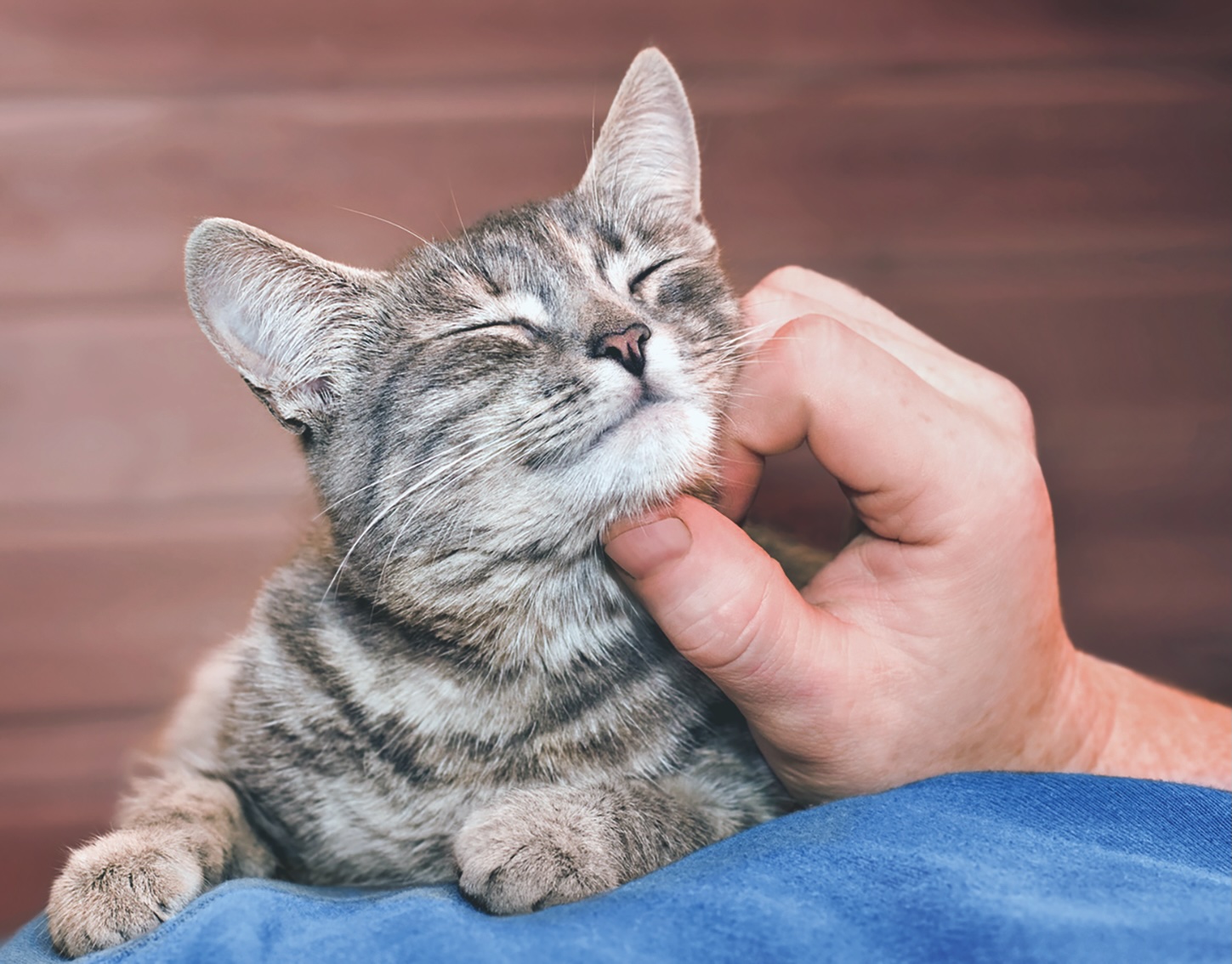
Q: I have a 12-year-old spayed female kitty that has recently started purring for extended lengths of time, primarily after eating or me spending time with her. She may purr for 30 or 45 minutes.
She has been diagosed with mild anemia. I have heard excessive purring may be a sign of pain or unease but doubt that her purring is due to this anemia.
We have a very calm, quiet household, and nothing major has happened to cause stress. I also have a 19-year-old male cat that this cat has never gotten along well with (they tolerate each other) and an 8-year-old male cat.
Any guidance would be appreciated.
A: Thanks for getting in touch with this observation, and I think it is great that you are being diligent and proactive about this behavioral change that you have noticed in your feline friend. Changes in purring behavior can be indications not only of a cat’s emotional state, but also of health issues in some cases, so perhaps a brief review of this topic would be helpful.
Purring refers to the rhythmic fluttering sound produced during both inhalation and exhalation by oscillations of the vocal folds at the back of the oral cavity. The mechanism of purring is the subject of continued research, and there is evidence that it is controlled by the central nervous system. Its average frequency in domestic cats is about 25 Hz (vibrations per second), although cats may change the frequency of their purrs to communicate with others (i.e., to ask their owners for food!).
The evolutionary purpose of purring has been the subject of considerable debate for some time, and suggested benefits include expressing contentment, reassurance between a queen and her kittens, self-relaxation, and, in some cases, expression of stress/anxiety and/or pain. Interestingly, the frequency of cat purrs has also been hypothesized to stimulate bone growth and tissue repair, suggesting that it may be a mechanism to promote healing after injuries.
While we cannot ascertain this from afar, it’s reasonable to assume that the change in your kitty’s purring behavior represents her communicating that something has changed in her life. This suggests that the change in purring behavior may be due to changes in social structure that are causing stress that you are not aware of or to changes in her physical and/or psychological well-being.
Figuring out which of these may be related to this increased purring will likely take some time, but this is well worth the effort, particularly if you see other changes in her behavior that may suggest either a medical problem or psychological stress.
Starting with a comprehensive medical screening by your veterinarian seems like a good idea, as a recent study showed, for example, that cats with inflammatory gastrointestinal diseases and allergic skin conditions purred more than their healthy counterparts. This study also showed that cats being treated with corticosteroids purred more than those that did not receive these drugs, so this is something to consider if your cat is be treated with corticosteroids.
The mild anemia may be an additional indicator of an underlying medical problem, so please work with your veterinarian to devise an appropriate diagnostic/treatment plan in this regard.
Given her advancing age, it’s possible this could be the onset of dementia. Senior cats can develop dementia, and one of the signs of this condition that has been anecdotally reported in cats is increased purring. I hope this helps, and please send an update when you can.


