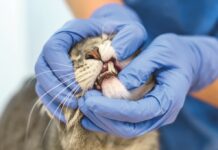
Articles about early signs of cancer in humans and pets abound, and many have one thing in common: Early signs of illness may suggest a problem, but they are often not indicative of the presence of cancer per se.
Some signs, though, are more suggestive of cancer in cats, like a palpable skin growth or an ulcerated area on the body that is not healing. For example, unusual growths on the ears, face, or in the mouth could be squamous cell carcinomas. Lumps along the mammary chain might be breast cancer, and lumps under the skin in areas where vaccines were given could be fibrosarcomas.
Easy-to-Miss Signs
Just as not all growths or eroded areas are cancers but should all be checked, these signs of illness in your cat should warrant a trip to your veterinarian.
Weight Loss: The fact that a cat is not eating well may slip by you if you aren’t paying attention. Gradual weight loss can be missed until it hits you that Fluffy is trim, even if you have not noticed a decreased appetite.
Note: A monthly weigh-in is a good habit. It’s easy to do. Just hold your cat while you weigh both of you, then weigh yourself and subtract the difference. Then write it down for a comparison next month to check for changes.
Loss of Appetite: This can be tricky to pick up if you feed free choice, especially if you have more than one cat. Feeding meals at specific times helps to track what each individual cat is eating. If your cat is drooling excessively or has a bad odor when her mouth is open, she may have an oral growth.
Fluid Buildup: On the other hand, if your cat is looking round, she could have fluid building up in her abdomen from a disease process. A bloated cat might appear to be maintaining her weight even if she is losing lean body mass.

Behavior Changes: Lethargy and behavior changes can indicate many health problems. Unless it is very hot, or your cat has spent the weekend chasing your new puppy, a decrease in activity may indicate a problem. Coupled with behavior changes like hiding, not interacting for her usual play times, or being unusually “cranky” or irritable, a decrease in activity can indicate a problem.
Difficulty Breathing: Changes in breathing rate/effort can be a sign that your cat is not well. While primary lung cancer is not common in cats, metastatic disease (when a cancer spreads from its original site) in the lungs is typical with many cancers. A resting respiratory rate of greater than 35 breaths per minute should warrant veterinary consultation.
Digestive Upset: Vomiting and diarrhea have many causes, including cancer. This is especially true if these signs are associated with weight loss, loss of appetite, and lethargy.
Be Vigilant
Almost all cancers have a better prognosis if caught early on. Dog cancer groups have long advocated for a monthly “hands on” evaluation, and cat owners should, too.
Don’t count on a visual exam, especially with long-haired cats. Put your hands on your cat. Run your hands gently over her entire body. Then repeat this, with somewhat firmer pressure. Compare the two sides. Anywhere you feel a difference could be significant.
Keep a record of any miscellaneous lumps and bumps. If they change from one month to the next, that is a cause for concern. Be sure to combine this with the monthly weight check.
If your cat misses a meal, hides more than usual, or has vomiting or diarrhea, mark your calendar. If these are rare occurrences, simply watch. If you notice an increasing frequency, your cat needs a veterinary visit. An astute owner is often a cat’s best chance for an early cancer diagnosis.