
Most cats, if they were dogs, would be considered “mutts.” We call them domestic short hairs (DSH) or domestic long hairs (DLH), which are more physical descriptive terms than anything else. These cats are all basically descendants of many generations of mixed-breed cats, which is not a bad thing when it comes to good health. The more you mix up the gene pool, the healthier the offspring tends to be.
Purebred cats are popular for their unique characteristics. While purebred cats come with consistent looks and personality traits, they also come with predispositions to certain diseases. While you don’t need to avoid these beautiful animals, it helps to know what a specific breed may be predisposed to.
To reduce the risk, find a responsible breeder who tests for these diseases in hopes of avoiding them. Additionally, you can proactively pursue appropriate annual screening tests like echocardiography for heart disease to catch issues early.
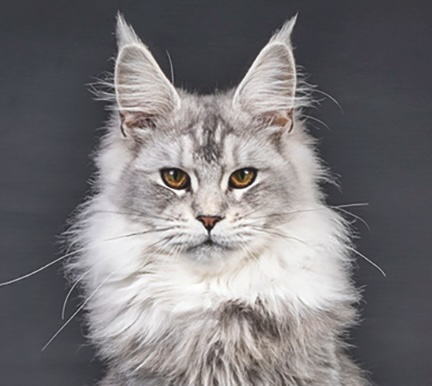
Maine Coon
The Maine Coon cat has always been a fan favorite, mostly due to their unusually large size. If they were in “The Princess Bride,” they may have been considered FOUSs (Felines of Unusual Size). They are considered gentle giants, having large ears with cute tufts on the tips and long, full tails. They are solid, well-muscled cats that are highly sociable with their humans.
Maine Coon cats have an identified genetic mutation predisposing them to a heart disease called hypertrophic cardiomyopathy (HCM). Other genetic disorders of Maine Coon cats include spinal muscular atrophy (SMA), polycystic kidney disease (PKD), and pyruvate kinase deficiency (PKDef). Fortunately, DNA testing is available for these disorders.
Responsible breeders test for these mutations and avoid breeding them. Because of their size, however, Maine Coons are prone to hip dysplasia and, for whatever reason, to periodontal disease as well. Some breeders routinely have echocardiograms and hip X-rays done on their breeding stock, which adds to peace of mind regarding the health of hearts and hips of kittens.

Siamese
The Siamese cat is famous for their loud, vocal nature and lithe, sleek build. They are classically lighter colored in body with varying shades of darker points on the ears, face, tail, and paws. They have beautiful blue eyes that often flick back and forth involuntarily, and many Siamese cats are cross-eyed. Inherited disorders that can be tested for in breeding stock include progressive retinal atrophy (PRA), gangliosidosis, mucopolysaccharidosis, and pyruvate kinase (PK) deficiency. The Siamese cat is also predisposed to feline asthma, amyloidosis, and certain cancers (intestinal adenocarcinoma and mediastinal lymphoma).
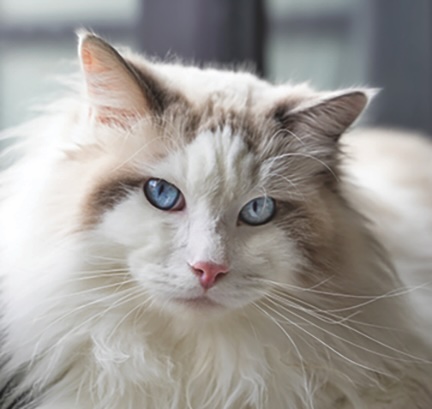
Ragdoll
Ragdolls are big, soft, sweet, and gentle with beautiful blue eyes. While they love to lounge, they also enjoy following their humans around. Like the Maine Coon, Ragdolls have a genetic mutation predisposing them to HCM. Some breeders may also test for polycystic kidney disease (PKD), although it is not common in Ragdolls. Ragdolls appear to be prone to periodontal disease, digestive disorders, and bladder stones.

Persian
The Persian cat is easily recognized by its flat face, prominent cheeks, tiny ears, and long, thick, beautiful hair coat. These are calm, affectionate cats that seem to thrive indoors. If you are interested in a Persian cat, you must be prepared to spend time every day on their hygiene and grooming. Their beautiful coats are prone to matting, which can cause severe dermatological problems. Their squishy faces result in excessive tearing that must be cleaned daily to avoid facial odor, discomfort, and infection. Their flat face structure can cause misalignment of the jaw, and that can cause dental problems. The super-flat faced Persians may have anatomic upper airway breathing issues. Genetically, the Persian cat is predisposed to both HCM and PKD, so these should be tested for in breeding stock.
 Sphynx
The Sphynx is a hairless purebred cat with huge ears. Sphynx owners adore these wrinkly cats. Sphynx cats have playful, outgoing personalities and love their humans. For their health and well-being, they should be kept strictly indoors and careful attention paid to the health of their skin. Because they have no hair, they require a warm environment or clothing when cold. Also, because they have no hair, they require frequent bathing as their skin oils have nowhere to go. Excess skin oil results in dermatological issues like secondary yeast infection. Their skin needs protection from the sun.
The Sphynx has a genetic mutation predisposing to HCM like the Maine Coon, Persian, and Ragdoll breeds. They are predisposed to a couple of genetically-mediated neurologic diseases that usually show up during kittenhood (hereditary myopathy and congenital myasthenic syndrome or CMS) and to urticaria pigmentosa, which can cause itchy, inflamed skin. If you are looking for a Sphynx kitten, be sure the parents have been tested for these genetic diseases.
Other popular purebred cats include Bengal, Russian Blue, Exotic, Bombay, Siberian, British Shorthair, and Abyssinian. For information on purebred cats, including details about looks, size, personality traits, and general health, check Wisdom Panel’s Breed Library.


